To cut your grocery bill, reducing waste is more effective than buying less. Studies show roughly 15% of all purchased food is thrown away uneaten. If your monthly grocery spend is $500, that's $75 going straight to the bin. Eliminating that waste alone saves nearly $1,000 per year — without changing what you buy.
Habit 1: Check Your Stock Before Shopping
Shopping without knowing what's in your fridge leads to duplicate purchases every single time. Open Fridgi, review your current inventory and upcoming expiry dates, then build your shopping list around what you actually need. "Do I have soy sauce? Is the tofu still good? Do I need more milk?" — all answered before you leave the house.
Just 10 minutes of pre-shopping inventory review eliminates the most common waste: buying things you already have. This habit alone can save $20–30 per month.
Habit 2: Shop on Fixed Days Only
Frequent store visits lead to impulse purchases — especially when you're hungry or browsing without a clear list. Limiting trips to 1–2 per week creates natural discipline. You'll plan meals around what you already have instead of buying whatever looks good in the moment.
Planning your shopping days in advance also improves meal planning. "I'm shopping Thursday, so I need to use up what's in the fridge before then" creates a built-in incentive to eat everything you already have.
Habit 3: Eat Expiring Items First
When deciding "what's for dinner tonight," check Fridgi's home screen for the most urgent items first. Planning meals around what needs to be used dramatically cuts waste. This single habit changes dinner planning from "what do I feel like eating?" to "what needs to be used today?" — and your fridge will thank you.
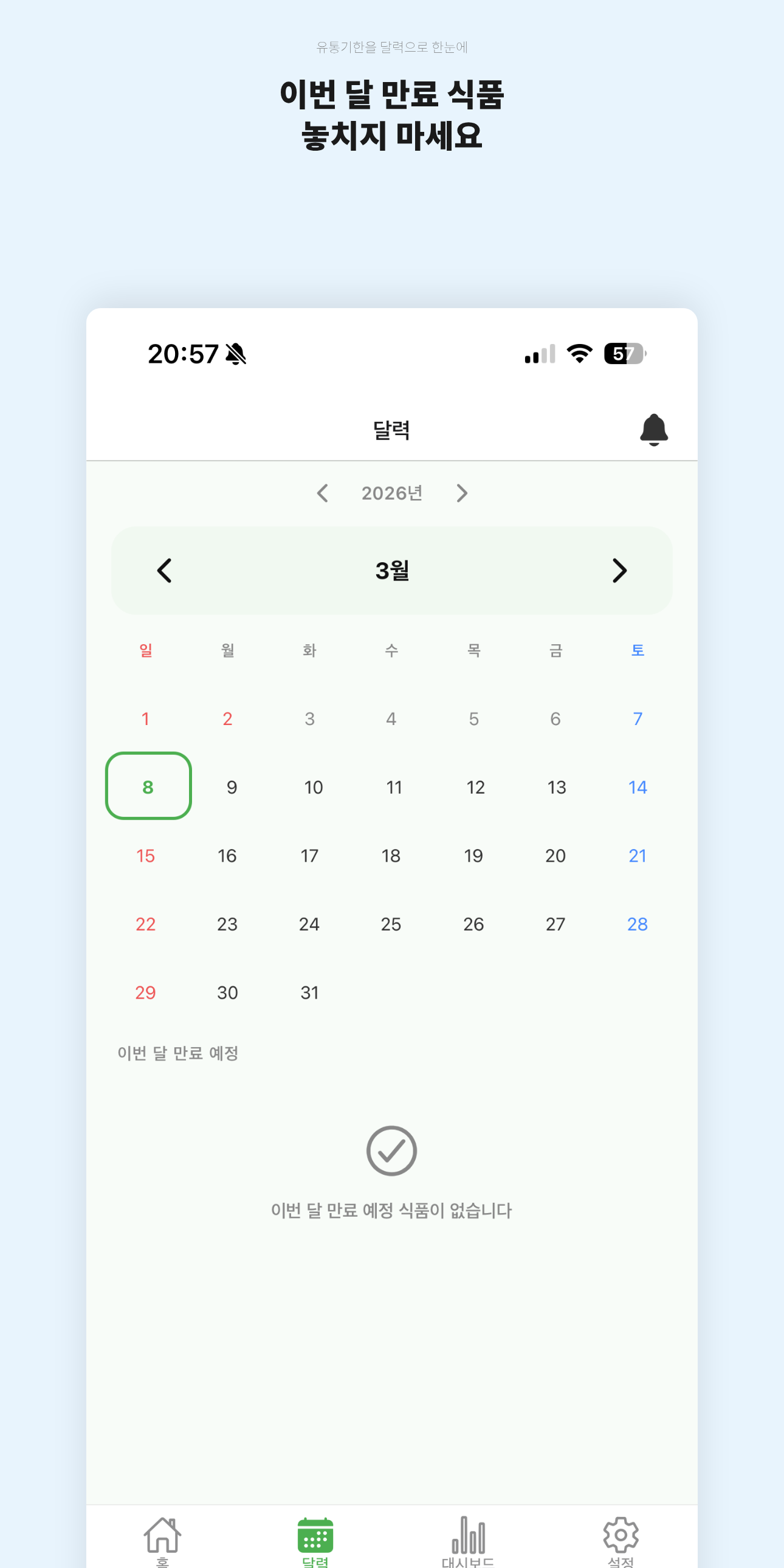
Habit 4: Portion and Freeze Bulk Purchases
Buying in bulk is only a saving if you actually use everything. When you buy large quantities of meat or vegetables, divide into single portions and freeze immediately. This lets you thaw exactly what you need and nothing more. Bulk pricing becomes genuinely economical instead of a false economy.
Marinating meat before freezing adds extra flavor and further extends shelf life. The few minutes spent portioning on shopping day pays off every time you cook.
Habit 5: Track Monthly Spending
Fridgi's dashboard shows your monthly purchase totals and consumption patterns. You'll quickly see which categories are costing the most and which items you're most likely to waste. Without data, you can't improve what you can't measure.
Most people are surprised to find they're spending significantly more in certain categories than they realized — beverages, snacks, or fresh produce that goes unused. Seeing the numbers makes the change feel concrete and motivating.
Habit 6: Embrace Seasonal Produce
Seasonal fruits and vegetables are fresher, more nutritious, and cheaper than out-of-season alternatives. They also tend to last longer in the fridge because they were grown locally and shipped shorter distances. Building meals around what's in season naturally reduces food costs and waste.
Habit 7: Plan a Weekly "Freezer Dive" Meal
Once a week, plan a meal specifically from frozen ingredients. Check Fridgi's inventory for what's in the freezer, and build dinner around those items. This prevents the "frozen and forgotten" problem and keeps your freezer from becoming a graveyard of good intentions.
Estimated Monthly Savings Breakdown
| Habit | Estimated Monthly Savings |
|---|---|
| Eliminating duplicate purchases | $15–25 |
| Eating before expiry (less waste) | $30–50 |
| Fewer impulse purchases | $20–40 |
| Bulk buying with proper freezing | $10–20 |
| Total | $75–135 |
Practice these habits for just one month and you'll feel a real difference. Start with Fridgi — it's free.

