Many people throw away perfectly good food the moment it hits its "best before" date. But that date isn't always a safety deadline — and understanding the difference between food date labels can save hundreds of dollars a year while also reducing waste.
Best Before vs Use By — What's the Difference?
- Best Before — A quality indicator set by the manufacturer. Food can still be safe to eat after this date; it just may not be at its peak flavor or texture. Canned goods, dry pasta, and many packaged products often remain perfectly edible weeks or months past this date.
- Use By — A genuine safety deadline. This date is particularly important for perishables like raw meat, fish, and dairy. Don't consume these foods after the "use by" date, as harmful bacteria may have multiplied to unsafe levels.
In Korea, the government switched from "sell-by" labeling to "use-by" labeling in 2023, which extended average food labels by 20–50% — meaning food that used to get thrown away can now safely be eaten for longer.
Common Food Shelf Life Guide
| Food | Refrigerated | Frozen |
|---|---|---|
| Milk | 3–5 days after opening | 1 month |
| Eggs | 3–5 weeks from purchase | Not recommended |
| Tofu | 3–5 days after opening | 3 months |
| Pork | 1–3 days | 4–6 months |
| Chicken | 1–2 days | 9–12 months |
| Beef | 3–5 days | 6–12 months |
| Fish | 1–2 days | 3–6 months |
| Bread | 5–7 days | 3 months |
| Cooked rice | 1–2 days | 1 month |
| Yogurt | 5–7 days after opening | 1–2 months |
Why Fridge Temperature Matters
The shelf lives listed above assume proper refrigerator temperatures: 0–4°C (32–40°F) for the fridge and below -18°C (0°F) for the freezer. If your fridge runs warmer than 4°C, food spoils significantly faster than the guidelines suggest.
Minimize temperature fluctuations by keeping the door closed as much as possible, allowing hot food to cool before refrigerating, and not overpacking the fridge (overcrowding prevents proper air circulation).
Signs to Throw It Out — Regardless of the Date
- Visible mold or unusual discoloration — discard even if the date hasn't passed
- Off or sour smell — especially in meat, fish, and dairy, this is a serious warning sign
- Slimy or sticky texture — indicates bacterial growth
- Bloated packaging — gas buildup means microbial activity inside; discard immediately
- Dented or swollen cans — risk of botulism; never consume, dispose of carefully
Common Misconceptions
The biggest mistake: thinking food instantly becomes dangerous the moment a date passes. In reality, food safety decreases gradually after the use-by date — it doesn't flip like a switch. That said, highly perishable items like raw meat, fish, and dairy should be treated strictly.
The opposite mistake: throwing everything out the moment it hits the label date. Best-before dates are quality indicators, not safety deadlines. Use your eyes, nose, and the guidelines above to make a more informed judgment.
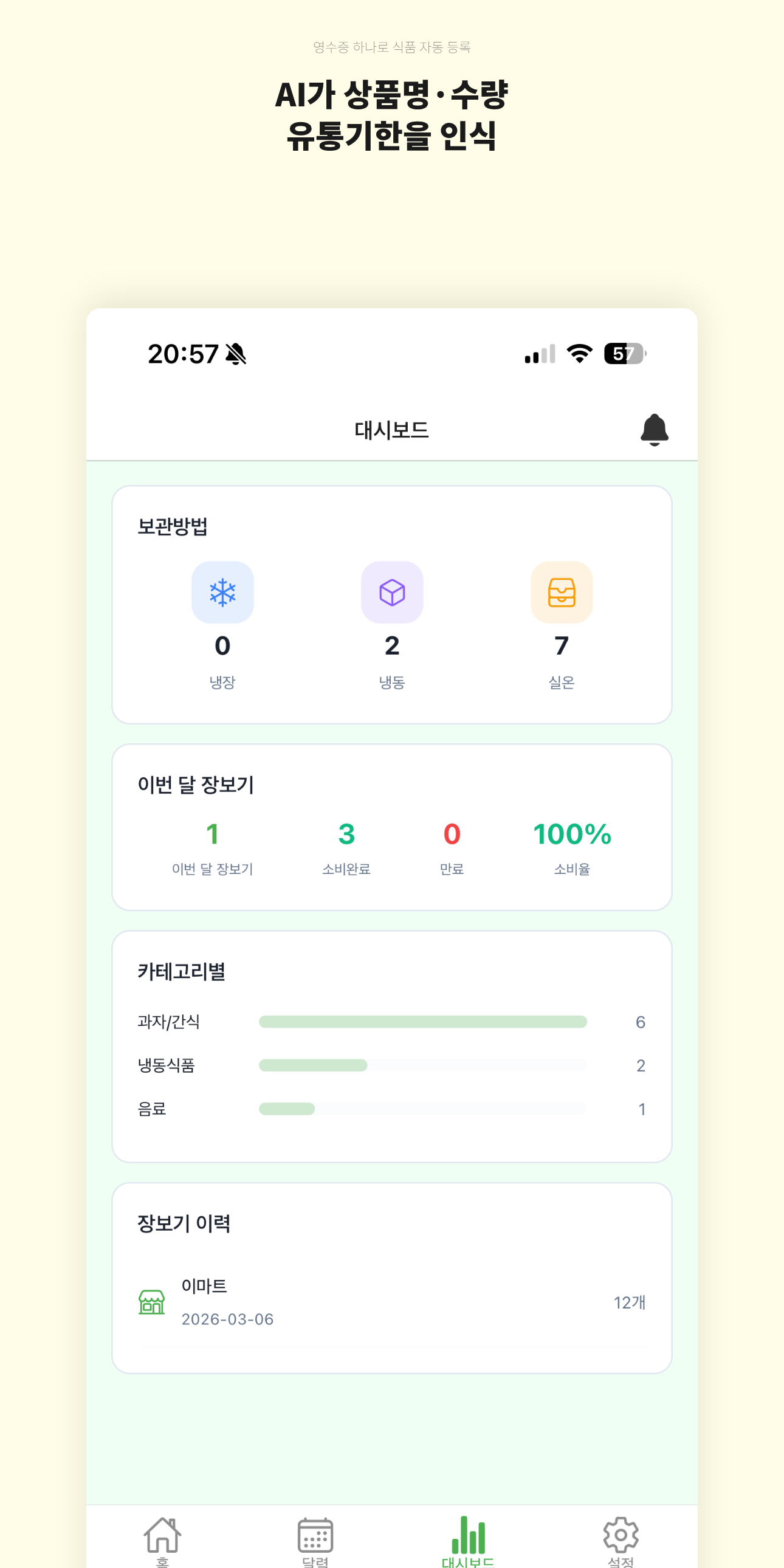
Fridgi automatically tracks expiry dates and sends alerts before food goes bad. No more memorizing dates.

